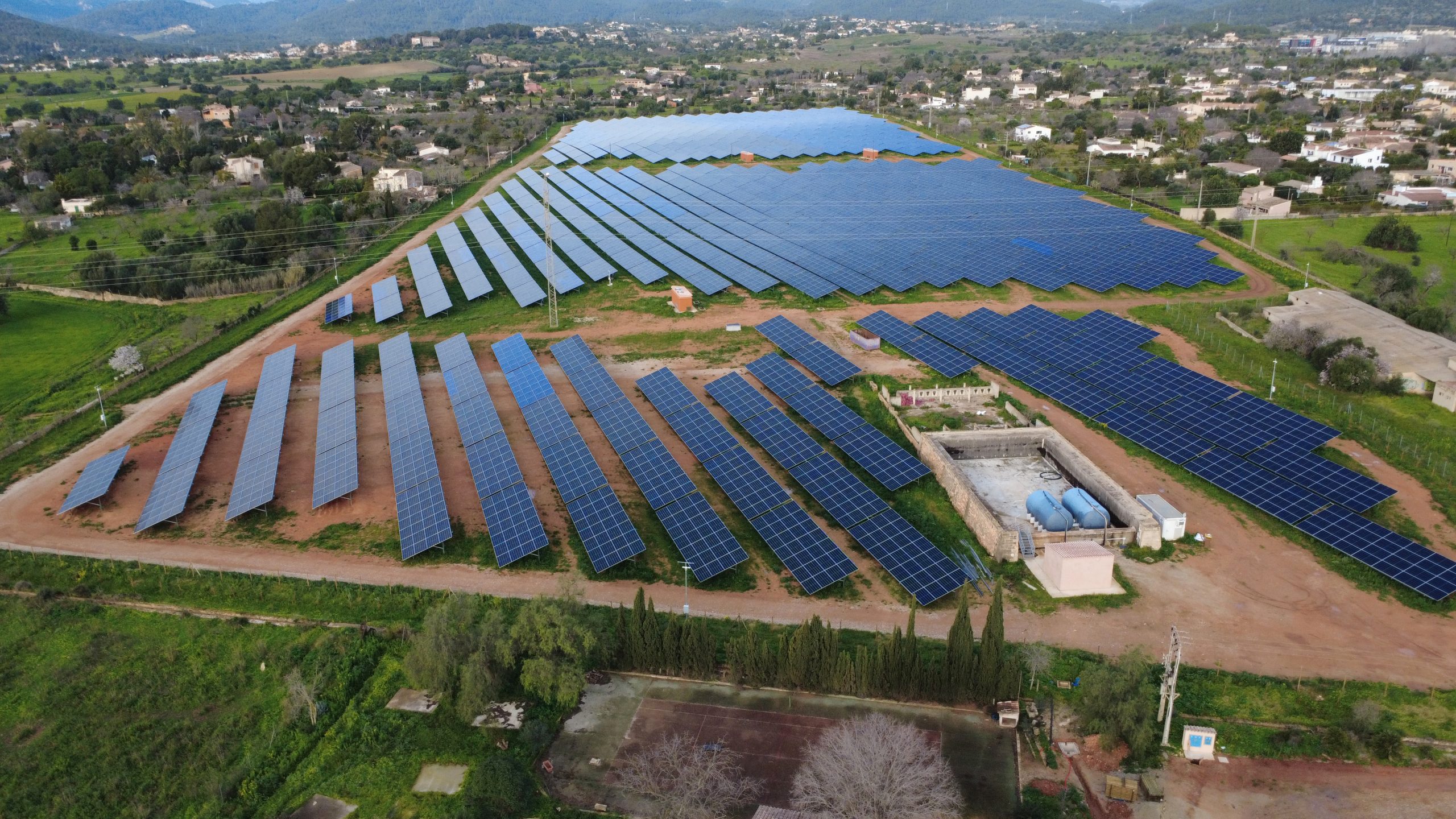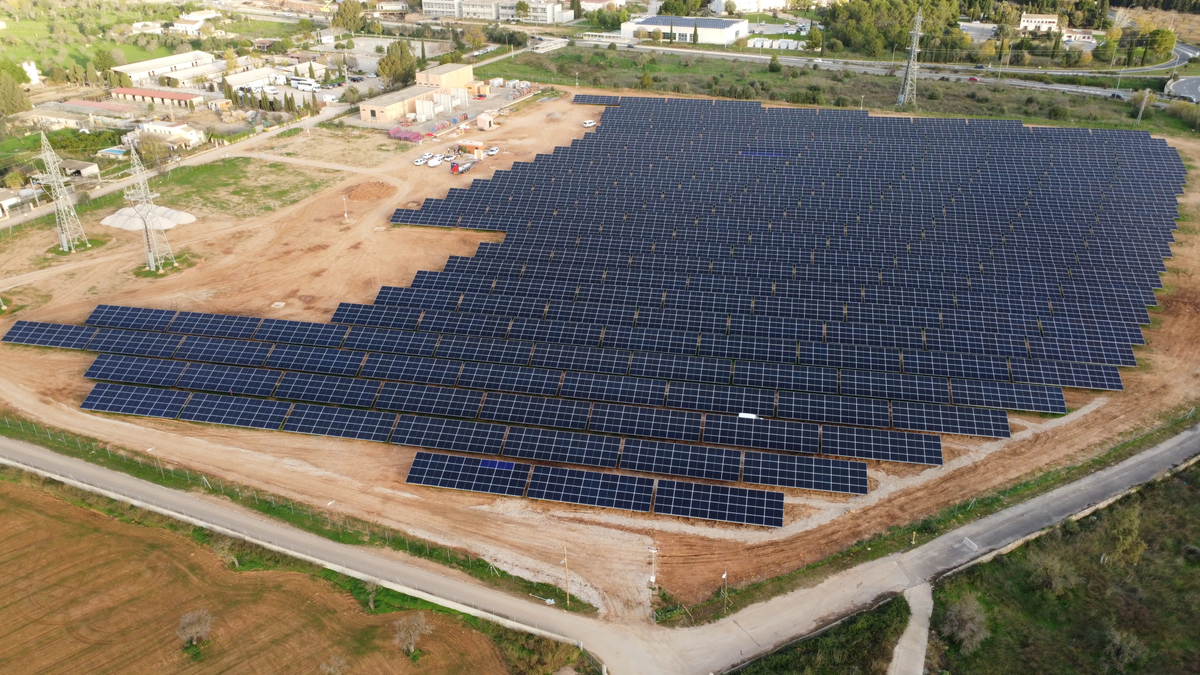
SAMPOL, in line with its firm commitment to decarbonization and energy self-sufficiency in the Balearic Islands, has successfully completed the Son Magraner project in the municipality of Palma. This facility represents a technological milestone by combining photovoltaic generation with state-of-the-art storage systems, thereby directly contributing to the climate goals of Spain and the European Union.
Translated with DeepL.com (free version)
A decisive boost thanks to the NextGenerationEU Funds
This project was made possible thanks to financial support from the European Union through the Recovery and Resilience Facility (NextGenerationEU). As part of the Recovery, Transformation, and Resilience Plan (PRTR) managed by the IDAE, the Son Magraner project has received public funding that strengthens the viability of critical infrastructure for the regional energy transition.
The financial details of the project are as follows:
- Total investment: €6,467,883
- Public aid granted: €2,629,035.63
Innovation and Technology: Generation and Storage (BESS)
The Son Magraner project is not just a power plant, but a smart energy system designed to optimize the management of Mallorca’s power grid. The facility consists of two seamlessly integrated technological units:
- 3.7 MW Solar Power Plant: Consisting of a 4.56 MWp generator with more than 6,500 monocrystalline panels installed on fixed structures with an optimal tilt angle.
- Battery Energy Storage System (BESS): A pioneering solution with a rated power of 2,090 kVA and a storage capacity of 4,180 kWh. This system, based on high-density lithium batteries, allows surplus renewable energy to be stored and fed back into the grid during peak demand periods, thereby ensuring the stability of the island’s power system.
Sustainability and respect for local heritage
Beyond its clean energy production (estimated at 7,941 MWh per year), Son Magraner stands out for its exemplary integration with the environment and local heritage. During the construction phase, SAMPOL implemented rigorous measures to protect local wildlife and ensured the preservation of the Séquia de la Font de la Vila, a historic structure that was fully respected in the plant’s design.
Through this project, SAMPOL and the European Union are demonstrating that public-private partnerships are essential to achieving a carbon-neutral future for our islands.