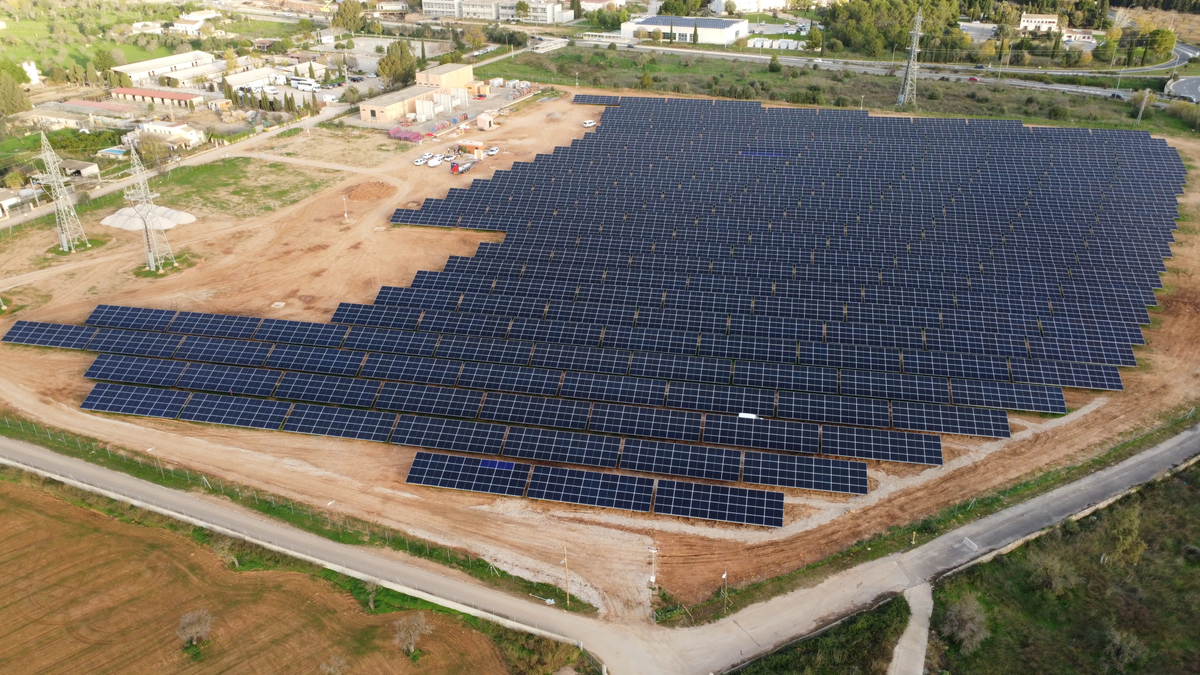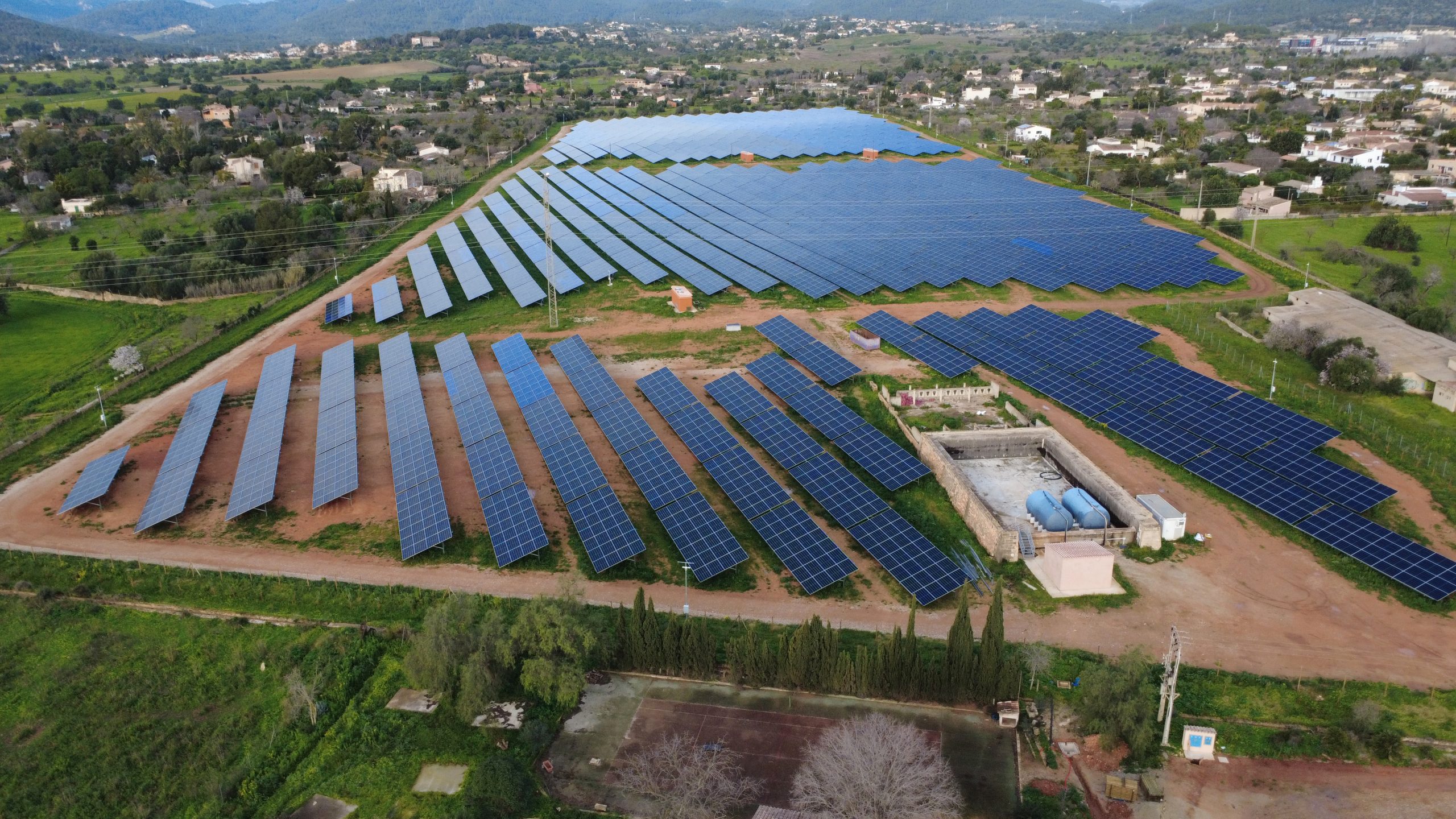
As part of its steadfast strategy to lead the way in decarbonization and strengthen the Balearic Islands’ energy independence, SAMPOL has completed the Son Ripollet project in the municipality of Palma. This facility represents a technological milestone by combining photovoltaic generation with state-of-the-art storage systems, thereby directly contributing to the climate goals of Spain and the European Union.
A decisive boost thanks to the NextGenerationEU Funds
This project was made possible thanks to financial support from the European Union through the Recovery and Resilience Facility (NextGenerationEU). This project was developed under the Recovery, Transformation, and Resilience Plan (PRTR) managed by the IDAE, receiving a grant that was key to bringing one of Mallorca’s most powerful renewable energy infrastructures to fruition.
The financial details of the project are as follows:
- Total investment: €13,451,781
- Public aid granted: €5,327,598.18
Innovation and Technology: Generation and Storage (BESS)
The Son Ripollet project is a smart energy system designed to provide stability and manageability to the island’s power grid. The facility consists of two seamlessly integrated technological units:
- 9.5 MW Solar Power Plant: A large-scale facility with a peak capacity of 10.23 MWp, consisting of 14,616 700 Wp solar panels and 30 state-of-the-art inverters.
- Battery Energy Storage System (BESS): The plant is integrated with a storage solution that has a rated power of 4,390 kVA and a capacity of 8,780 kWh. This lithium-ion battery-based system allows clean energy generated during the day to be stored and fed into the grid during periods of high demand, thereby optimizing the use of solar energy.
Sustainability and protection of the local environment
Son Ripollet stands out for its commitment to the environment, generating 17,313 MWh of clean energy annually. During the design and construction process, SAMPOL has ensured:
- Biodiversity conservation: Specific measures for local wildlife.
- Landscape Integration: Installation of a perimeter hedge using native species such as wild olive trees (Olea europaea) and carob trees (Ceratonia siliqua).
- Respect for Cultural Heritage: The design ensures the full preservation of the Séquia d’en Baster / Font de la Vila Site of Cultural Interest (BIC), while respecting its protected surroundings.
With the launch of Son Ripollet, SAMPOL and the European Union are establishing a sustainable, resilient energy model that is deeply respectful of our islands’ heritage and biodiversity.